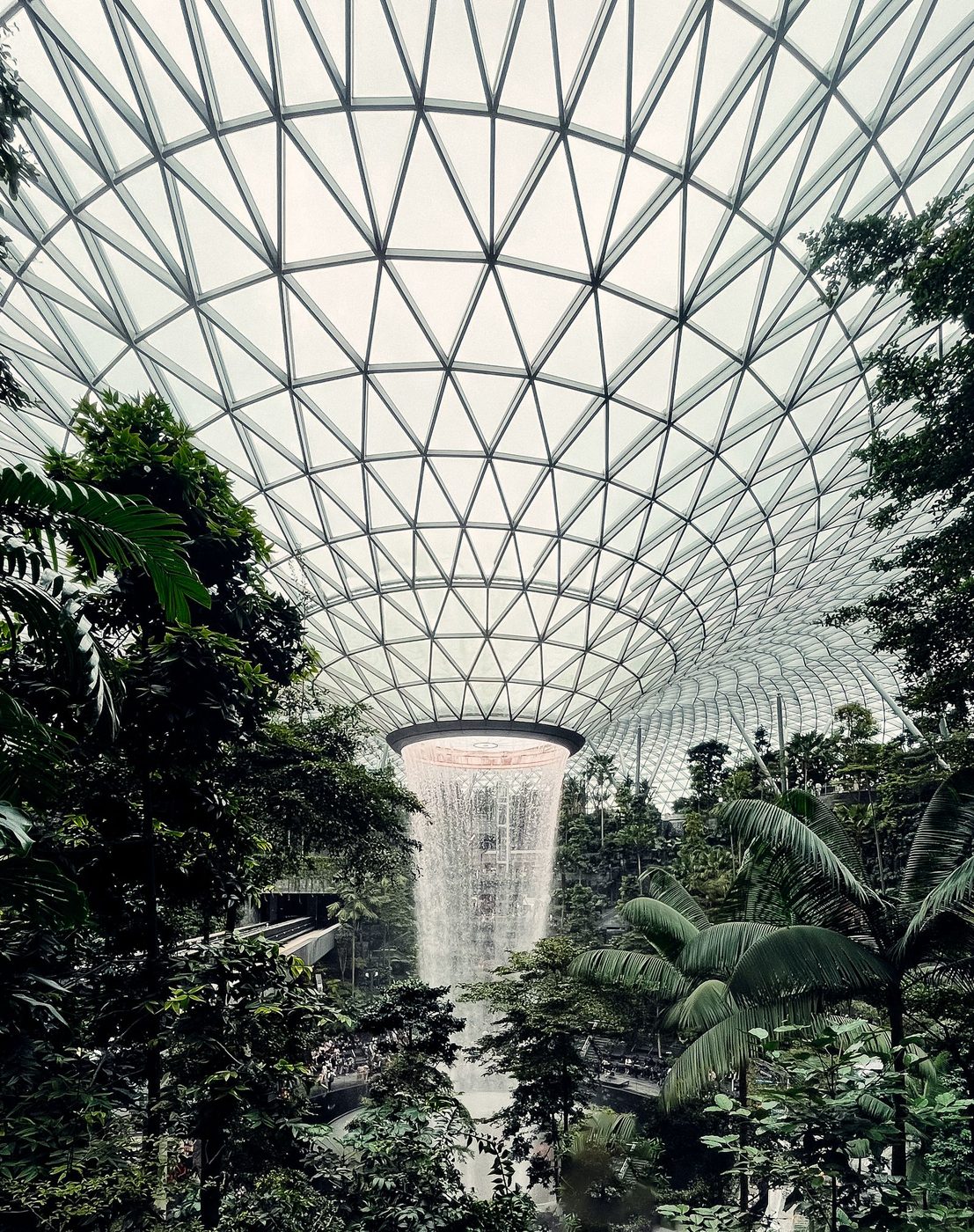
The North-East Monsoon arrives in Singapore around the second week of November. It arrives quietly, at first — a few afternoon showers, a slightly cooler morning, an unusually purple sky at four in the afternoon — and then, some Wednesday, without warning, it commits. By December we have adjusted. The umbrellas by the door have replaced the sun hats. The evening walk gets moved to the morning. The Grab surge multiplier does not go below 1.4x from 5 pm to 8 pm on any weekday.
My reading habits change too. I do not know exactly why. In the dry season I read fast, non-fiction, essays. In the monsoon my attention slows down and I want something older and quieter, something with weight to it. Here are the five books I have returned to during the past few Decembers, and a few sentences about each.
1. A Tale for the Time Being — Ruth Ozeki
Two narrators, both women, both writing to each other across the Pacific and across time. One is a Japanese teenager in Tokyo. The other is a novelist on a remote Canadian island. A diary washes up on the beach. What follows is a slow, quietly devastating meditation on what it means to be read. It is the book I most often lend to friends who tell me they have "stopped enjoying reading." Nobody has failed to finish it.
2. The Long Ships — Frans G. Bengtsson
A comic Viking novel written in Sweden in the 1940s. I know. This is the last book anyone would recommend for a Singaporean monsoon. I recommend it anyway. It is long, warm, funny, entirely undramatic in the way that only the best long novels can be. It is 500 pages of small comedies and unexpected friendships. It has the same effect on my nervous system as a good bowl of laksa in air-conditioning.
3. Silence — Shūsaku Endō
Not a comfort book. Not for a Sunday afternoon. This is the book I read the year my father was in hospital. It is set in seventeenth-century Japan and it is about the moment a person's faith becomes something other than what they thought it was. I do not know why I read it in the monsoon. It has something to do with the rain. It has something to do with the mood of the sky at 4 pm in late November. If you read it, read it slowly.
4. The Enchanted April — Elizabeth von Arnim
A hundred years old this year. Four English women rent a castle in Italy for the month of April. That is the plot. What happens over the course of the novel is very small, and, in a certain way, very important. It is the perfect December book because it is the anti-December book. It takes place in warmth and sunlight and wisteria. Reading it during a monsoon evening is like standing under a heat lamp on a cold night. Highly recommended.
5. The Emperor — Ryszard Kapuściński
Kapuściński was a Polish journalist who spent decades in Africa. This book is his oral history of the last months of Emperor Haile Selassie's court in Ethiopia. It is short, strange, and unlike anything else in the reading list. It is not really about Ethiopia. It is about the specific texture of power and how it decays. I return to it every second December. It reminds me why I write.
"The right book at the right season is not a coincidence. It is a small act of housekeeping."
A note on where to read
Not all Singapore is good for monsoon reading. Coffee shops are too loud. The library at Bishan is excellent but crowded on weekends. My own preferences, developed over years, are:
- The reading room at the Peranakan Museum, mid-week, mid-afternoon.
- The second-floor benches at Tiong Bahru Plaza when the rain is at its heaviest.
- My own kitchen table, with the window open, when the rain is very steady and the neighbour upstairs is out.
- The airport, quietly, at any terminal, on the arrivals level. Nobody knows you there and nobody expects anything of you.
The monsoon, if you let it, is a season for reading the way December was meant to be read — slowly, with a cup of something warm, and with the option of a nap. This is not a wasted month. It is the month in which the year gets absorbed. Give yourself the book.