The cafés in Tiong Bahru open at eight. Most of them, at least. The one on Yong Siak Street opens at seven-thirty on Saturdays and pretends it opens at seven. Everyone knows.
But between the last of the karang guni trucks — usually about 5:35 in the morning — and the moment the first oat-milk flat white gets pulled at eight, there is a window of two hours and twenty minutes when this neighbourhood belongs to someone else entirely. I have been getting up early enough to see it for about six years. Here is what I have noticed.
5:40 to 6:15 — the walkers
The first neighbourhood residents to appear on the streets are the elderly walkers. They are almost always in pairs. They almost always walk clockwise around the same three blocks. They wear track pants that were probably issued during their working years. One woman I have seen for four years wears a bright orange sun hat that she only puts on after 6:30, when the light comes up. Before then it hangs from her wrist.
The walkers do not stop to talk. They also do not stop to look at anything. This is their exercise. But they nod. There is a very specific nod that older Singaporeans use with each other on the morning walk — a small, deliberate downward tilt of the chin, no smile, no eye contact. It means: I see you. You are still here. Good. I am still here also.
6:15 to 6:45 — the market
By six-fifteen the Tiong Bahru Market is half-open. The fishmonger has been there since four. The vegetable stalls are unloading. The auntie who runs the flower stall is arranging chrysanthemums and asters, and she has always finished setting up her stall precisely as the first prayer call ends from Masjid Al-Falah, which sits between here and the river.
Downstairs at the kopitiam, the aunties who work the toast bar are already on their third pot of soft-boiled eggs. The old men who play chess at the corner table — there are usually four, sometimes six — have arrived. They will still be there at 11.
6:45 to 7:15 — the karang guni man
The karang guni man is not one man. He is at least three men, and possibly four, who take different routes through the neighbourhood on different days of the week. But they use the same recorded loudspeaker announcement, which has been playing in Tiong Bahru for something like twenty years and which every resident of the neighbourhood could hum from memory.
He collects newspapers. He collects old electronics. He collects, if you leave them out, the small aluminum cans of soft drink that would otherwise sit in the recycling bin for two weeks. He is one of the few people in this neighbourhood who still speaks to strangers on the street, though the exchange is short and largely transactional.
7:00 to 7:30 — the stray cats
There is a woman — I have never learned her name — who feeds the stray cats behind Block 74 every morning between seven and seven-thirty. She wears a large canvas bag and she carries two plastic containers of dry food and one steel bowl for water. There are, at last count, seven cats. She knows the name of every one. She has been doing this for at least a decade.
She and I have exchanged approximately three sentences in six years. Two of them were about the tabby with the crooked tail. One was about the weather. She does not want to be my friend and she is not my responsibility. But when she was not there for two weeks in October last year, I was, without being able to explain it, uneasy. She came back. I have not asked where she went.
"A neighbourhood is not the buildings. It is the people who show up when the buildings are still asleep."
7:30 onwards — the tourists
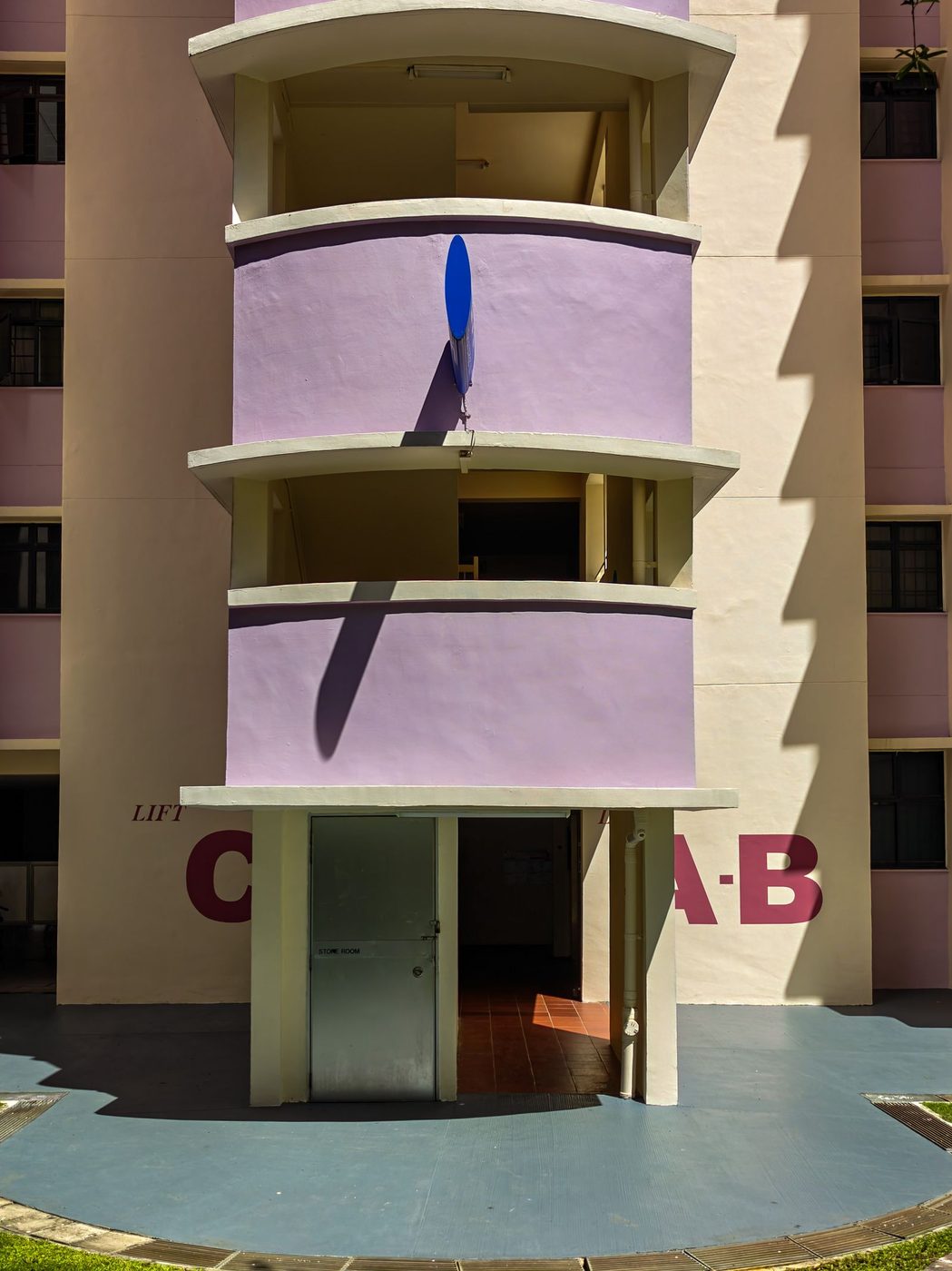
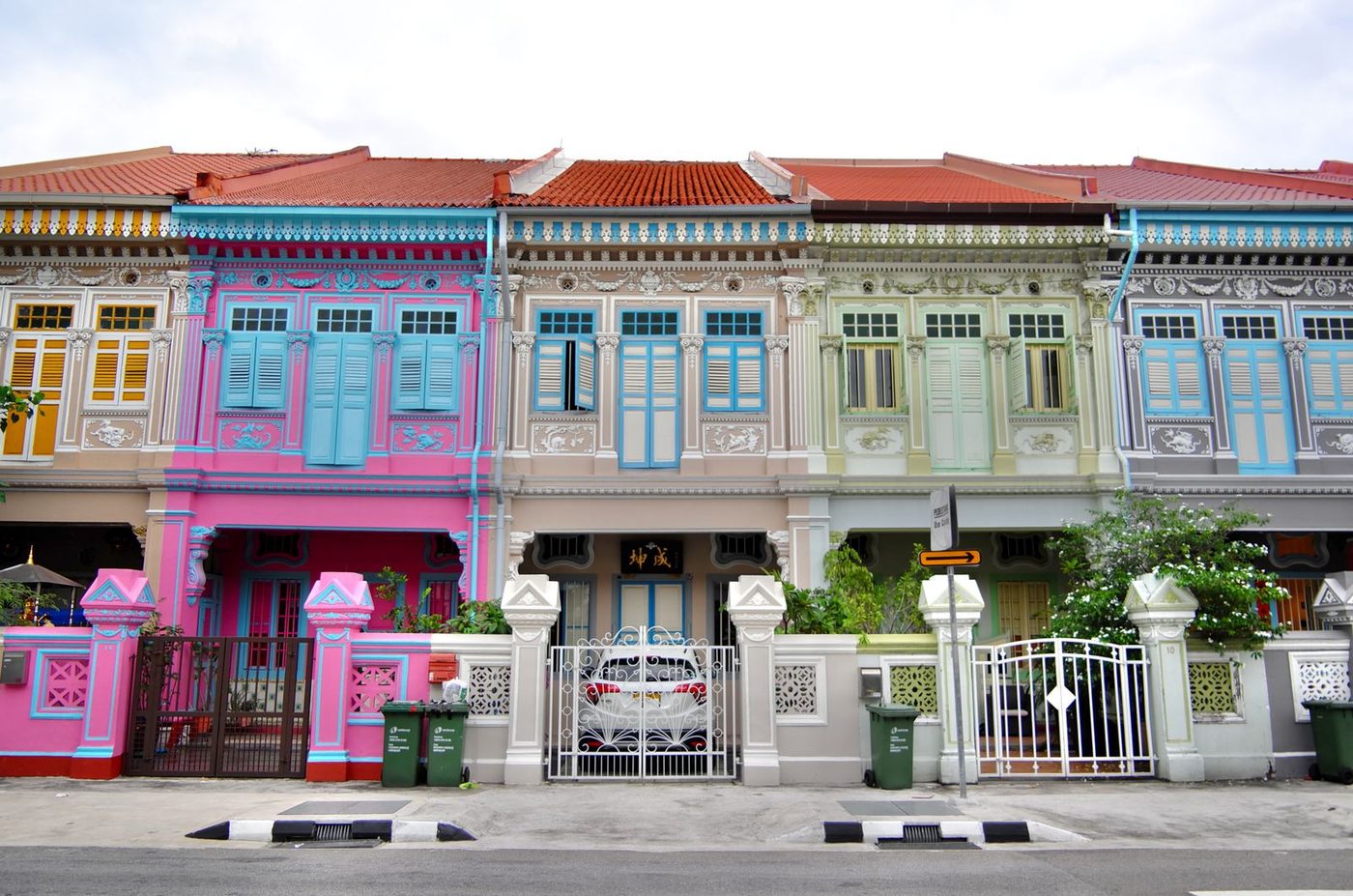
By half past seven the first tourists have started arriving. They are usually well-dressed and they photograph the murals on Yong Siak Street. This is not a complaint. Tourists are welcome here. But the neighbourhood I have been describing — the walkers, the flower auntie, the karang guni man, the cat lady — will have disappeared by then, back into flats or up on to the second floor of the market or off to Woodlands to see a grandson.
They are not hiding. They are simply not part of the version of Tiong Bahru that gets photographed. The version that gets photographed is real too. It is the version I am probably in, myself, whenever I visit the cafés on Yong Siak Street after eight in the morning.
But there is another version. It happens between 5:40 and 7:30. If you want to see it, set an alarm, put on a hat, and walk clockwise. Do not smile. Do not talk. Nod when you pass someone with a bright orange hat.
She sees you. You are still here. Good.